
Reflections from the Collaborative’s Inaugural Knowledge Network Fellowship
Kristen DeSanti, Co-Facilitator
Fidelia Igwe, Co-Facilitator
"I felt seen, I felt connected. And also, it was good to know that I'm not the only one that's still trying to figure this out."
These words, shared during the final session of the DC Postsecondary Success Collaborative's inaugural Knowledge Network, captured what we had hoped fellows would experience: an opportunity to learn from one another, recognize their expertise, and feel less alone in the work they do every day.
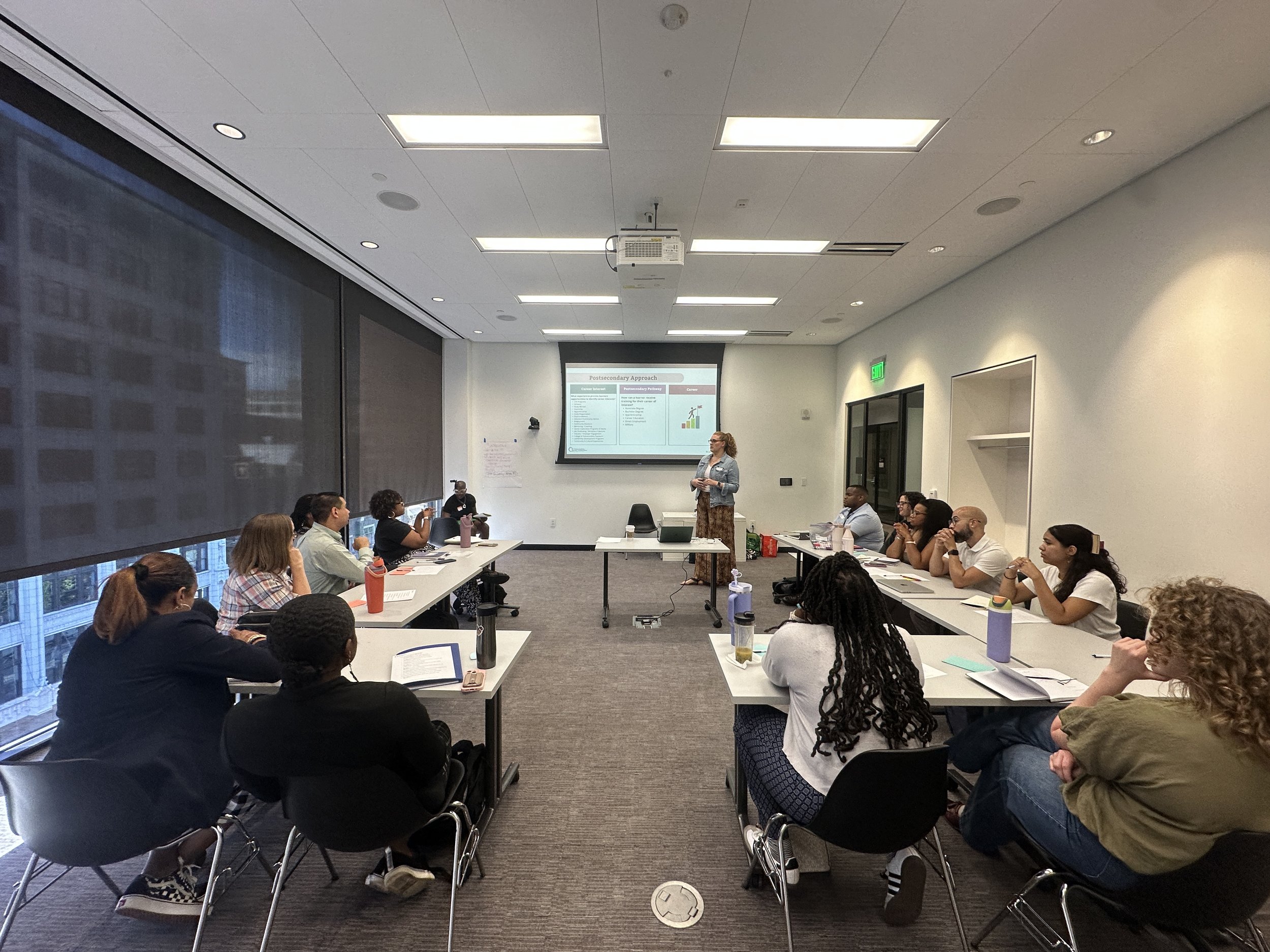
This fall, the Collaborative brought together 16 postsecondary practitioners representing 16 organizations and schools for four facilitated sessions designed to strengthen connections, encourage peer learning, and foster collaboration across DC's postsecondary ecosystem.
The Knowledge Network reflects a broader commitment at the heart of the Collaborative: bringing together practitioners across organizations, sectors, and roles to strengthen the systems that support young people's postsecondary success. Whether working in schools, community-based organizations, workforce development, or postsecondary education, these practitioners contribute to a shared goal of expanding opportunities and improving outcomes for DC's young people.
As co-facilitators, we brought different perspectives and approaches, but shared a fundamental belief: practitioners hold a wealth of expertise, and powerful learning happens when we create opportunities for them to recognize, share, and build upon it together.
Recognizing and Celebrating Practitioner Expertise
One of our most important goals was to ensure practitioners felt seen, heard, and valued for the knowledge, experiences, and perspectives they bring to their work.
Postsecondary practitioners do life-changing work. At its core is the human development of young people, yet the specialized knowledge and skills required to support students are not always recognized or prioritized within traditional professional learning opportunities.
Too often, our professional identities are defined by our organizations, job titles, or formal responsibilities. But those descriptions rarely capture the full range of knowledge, strengths, and interests we develop throughout our careers.
The Knowledge Network offered practitioners an opportunity to define what they bring to the table, rather than allowing their job descriptions to define it for them. It was a space to contribute expertise they already possessed, explore areas where they wanted to grow, and recognize the value of perspectives beyond their immediate roles.
One particularly meaningful activity was the Expertise Spotlight, which invited fellows to identify the knowledge and skills others turn to them for. As practitioners shared their strengths, we witnessed moments of recognition as others discovered the expertise already present in the room.
These experiences reinforced an important lesson: professional learning is most meaningful when it is designed with practitioners, not simply for them.
Where We Saw the Network Come to Life
One of the most powerful aspects of the Knowledge Network was watching relationships develop across organizations, roles, and sectors.
During our in-person gatherings, particularly the final session, we witnessed emails being exchanged, conversations about shared students, and practitioners making plans to connect beyond the Knowledge Network.
Many recognized that the same young people participate in multiple programs across the city, yet the professionals supporting them rarely have dedicated opportunities to collaborate.
For some fellows, the Network transformed familiar names and occasional professional interactions into meaningful relationships. Practitioners who had previously crossed paths began understanding one another's work more deeply.
What stood out was that fellows weren't simply exchanging resources. They were beginning to think creatively about how to use those resources and what genuine thought partnership could look like.
Small-group conversations were especially meaningful. They created opportunities for fellows to ask tough questions, share professional challenges, and exchange perspectives that didn't always align, conversations that aren't always possible within their respective organizations.
The Network reminded us that bringing people into the same room is only the beginning. The real opportunity comes from creating conditions where they can learn from and build relationships with one another.
The Impact of Connection
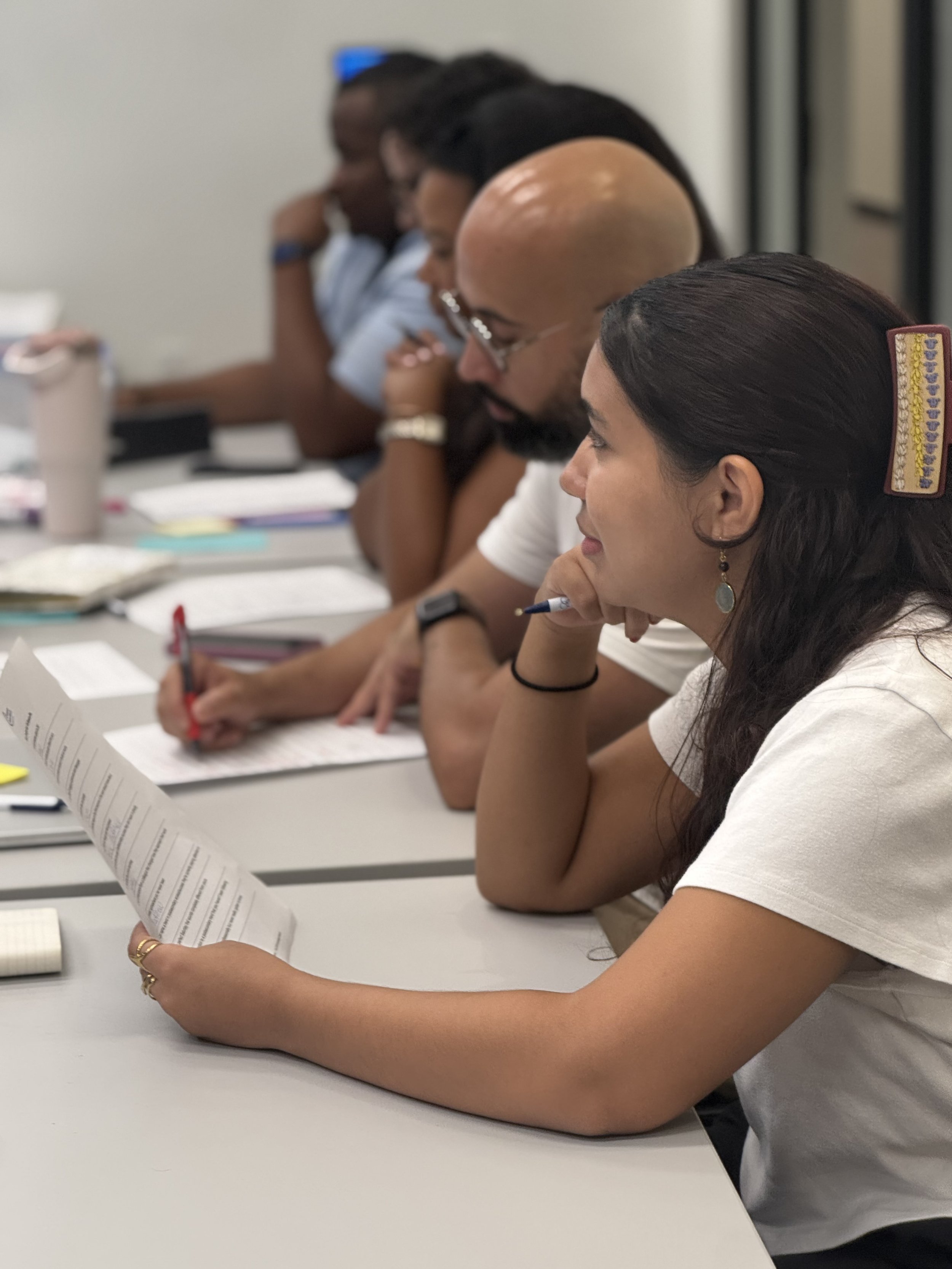
During our closing gratitude circle, several practitioners described feeling isolated in their roles. Some were the only individuals in their schools or organizations responsible for postsecondary planning. Others spoke about the difficulty of finding professional learning opportunities that reflected the realities of their work.
One fellow shared, "I'm kind of on an island by myself with early college. This felt really good to be back with people who are doing the work in different ways."
Another reflected, "I'm walking away with resources and the people that I need to go to if I need something."
These reflections reminded us that relationships are both an outcome of professional learning and a vehicle for strengthening practice. Connections become sources of encouragement, shared expertise, and practical support long after a session ends.
Our end-of-cycle evaluation reinforced what we witnessed firsthand. Among survey respondents, 92% rated the Knowledge Network Fellowship as very or extremely valuable, and 69% reported knowing at least three other cohort members well enough to turn to for professional support.
As one fellow shared during our final gratitude circle, "I have notes next to almost everybody's name on how I'm going to reach out to you, how you're going to support me, and how to support you."
For us, that sentiment captures the Network's impact. Fellows weren't simply leaving with new information. They were leaving with relationships they intended to sustain and expertise they could continue drawing upon.
Looking Ahead
The inaugural Knowledge Network was an opportunity to learn alongside the practitioners who participated. It reinforced the importance of thoughtful facilitation, intentional relationship building, and creating space for fellows to shape their own learning.
It also reminded us that meaningful relationships need time.
Looking ahead, we're excited to build on this inaugural experience by offering more sessions, creating additional opportunities for meaningful relationship building, and continuing to prioritize in-person gatherings.
We also hope to create more space for fellows to lead conversations, share promising practices, and collaborate around real challenges. Imagine practitioners from different organizations co-presenting a shared approach or working together to address a challenge affecting students across multiple settings.
Just as importantly, we want relationships formed through the Knowledge Network to continue beyond the final session through shared resources, ongoing communication, and future opportunities for collaboration.
Ultimately, the strength of the Knowledge Network depends not only on the space the Collaborative creates, but also on the commitment of practitioners who show up, share their experiences, challenge one another's thinking, and invest in relationships beyond the sessions themselves.
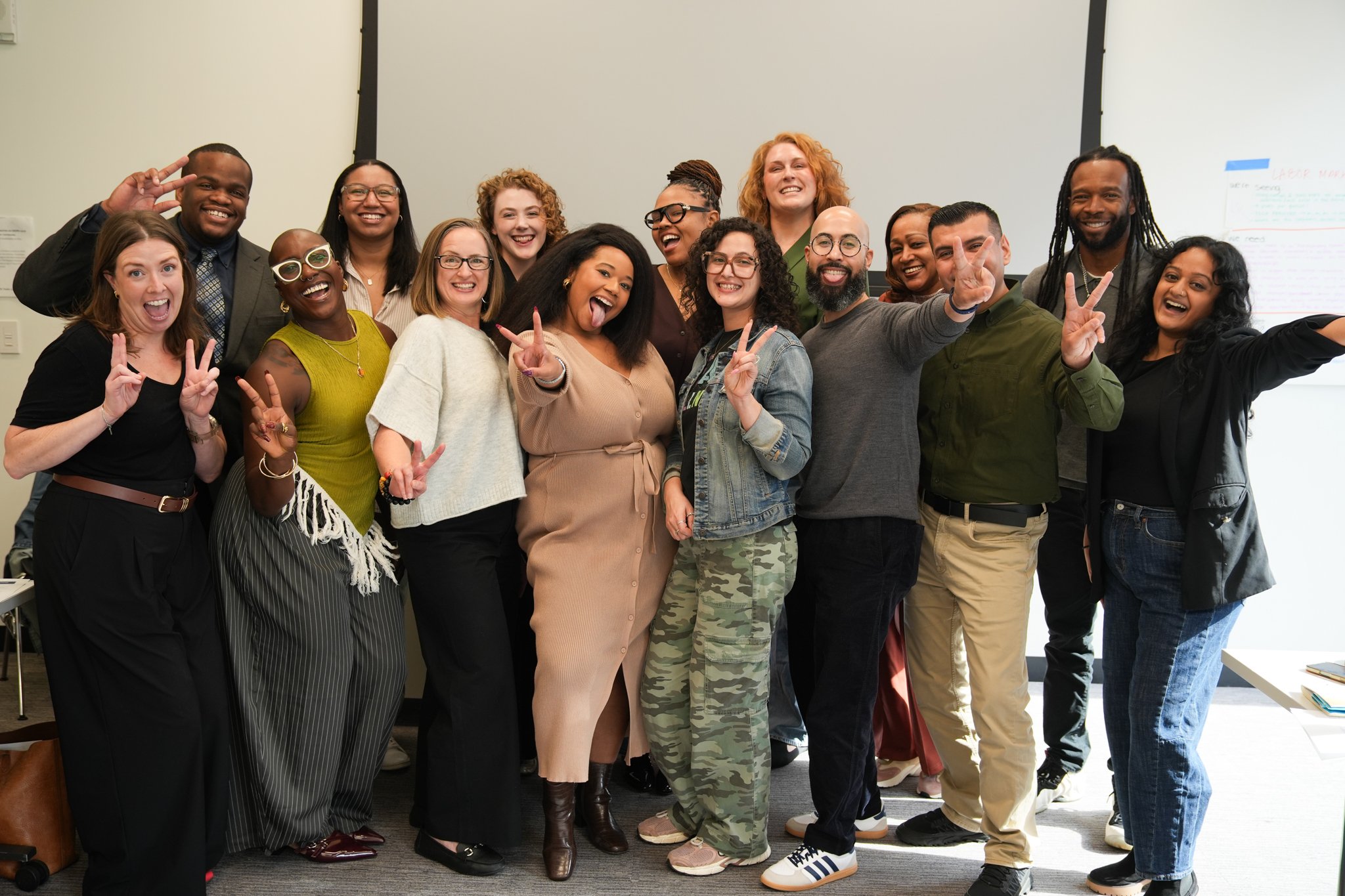
We're thinking about the Knowledge Network as more than a four-session fellowship. Through our alumni communication platform, fellows will be able to stay connected, share resources, seek advice, and continue learning from one another. As future cohorts complete the fellowship, they'll join this growing alumni community, expanding the network of practitioners who can learn from and support one another across DC.
This is the promise of the Knowledge Network and the larger vision of the DC Postsecondary Success Collaborative: creating opportunities for practitioners to grow individually, connect across systems, and work collectively toward stronger postsecondary outcomes for young people across DC.
The four sessions may have ended, but the community they're building will continue to grow.
To learn more about the 2026 Knowledge Network Fellowship, including the waitlist for our future cohorts, click here.